
Assortment planning · 5 min read
Wholesale Squishy Gift Sets: Plan Components, Quantities and Packaging
A good gift-set idea becomes a usable buying brief when every component has an exact SKU and quantity. The total number of toys is only part of the calculation: you also need enough of each style, a suitable package and a clear assembly plan. This guide turns a proposed combination into a quote that a buyer and supplier can check line by line.
Define the contents of one set first, then multiply each component quantity by the planned number of sets. Compare those requirements with confirmed inner-pack and carton quantities, approve a packed sample, and agree who assembles and labels the set. A selection of individual catalog products is a proposed combination; it is not automatically a stocked gift-set SKU.
Define one set before choosing the order total
Give the proposed set a working reference and revision number. List each component SKU, design, size, permitted variant and quantity in one set. Add the box or bag, insert, label and any instruction card as separate packaging lines. A photograph is useful, but it should support the contents list rather than replace it.
Choose a reason for the combination: a coordinated food theme, two sizes of one character or a specific gift-box format. If materials differ, describe each component separately. Matching colors or shapes do not make a mixed-material set a single material series. Keep optional substitutions out of the approved contents unless you have agreed them explicitly.
Calculate the component quantities: a worked example
Consider a hypothetical three-piece reindeer set containing one small style and two larger styles. This is a planning example using two individual CurioSpan SKUs, not a current prepacked product, a confirmed color assortment or an availability promise. A proposed run of 48 sets needs the quantities below.
| Component SKU | Pieces per set | Pieces required | Listed display-box count | Equivalent display boxes |
|---|---|---|---|---|
| CS-YD-NEW-04 · 5.5 cm reindeer | 1 | 48 × 1 = 48 | 24 pieces | 2 |
| CS-YD-NEW-05 · 8.5 cm reindeer | 2 | 48 × 2 = 96 | 12 pieces | 8 |
Total toy quantity is 144 pieces, but the requirement is specifically 48 small and 96 larger pieces. The two records list TPR outer material and pectin filling, with 288 and 144 pieces per master carton respectively. Display-box equivalents are arithmetic based on listed counts; final pack-out, split-carton acceptance and assembly need quotation confirmation.
Check the limiting component and any leftovers
The number of complete sets is limited by whichever component runs out first. If the proposed three-piece set above has 48 small pieces and only 72 larger pieces available, the larger pieces support 36 sets: 72 divided by two. Twelve small pieces remain unassigned. A total of 120 toys cannot be divided by three to claim 40 complete sets because the contents ratio would be wrong.
Keep spare pieces separate from sellable sets
If you want additional units for samples, photography or replacements, add a separate quantity per SKU. Do not count those units as completed sets. Agree in advance whether any leftover components will remain individually packed, be held for another run or be returned with the assembled shipment. Do not assume an automatic allowance for spare pieces.
Agree where assembly happens and what the quote includes
Ask whether components will arrive individually packed for your team to assemble or as completed sets assembled by the supplier. List the assembly steps: remove or retain each individual wrapper, place the items, add the insert, apply the label, close the package and pack completed sets for shipment.
Request separate confirmation of component quantities, packaging quantities, assembly work and the final number of finished sets. If an individual wrapper carries product information, resolve how that information will remain with the product before removing it. Ask the supplier to identify which component documentation and labeling information apply to the proposed combination.
Approve one finished sample in the intended package
Use physical components rather than catalog images to confirm fit. Check the packed set’s width, depth, height and weight after adding the insert and labels. Product dimensions do not establish the required box dimensions, particularly when ears, tails or irregular shapes need clearance.
Use a repeatable assembly check
- Match the contents against the SKU list and variant reference.
- Check that each piece remains identifiable and does not need continuous compression to fit.
- Inspect the wrapper, insert and box after packing and unpacking.
- Confirm the label text, barcode placement and contents description.
- Record the approved sample reference and photographs for the order.
If the sample changes, update the contents list and packaging revision together. A changed insert or component can alter the fit even when the outer box stays the same.
Request a new pack-out for the finished gift set
The component carton counts do not become the finished-set carton counts. Ask how many completed sets fit one shipping carton and request its dimensions and gross weight. Specify whether a carton holds one set design or a labeled mix of several set references. This supports receiving checks and reduces ambiguity when you replenish the range.
For branding, existing packaging with branded stickers has no separate packaging MOQ, while the selected products’ order requirements still apply. A new gift box is a separate packaging project. Use the custom-packaging guide to prepare the artwork and format questions, then confirm quantities and charges for the exact package.
Send a quote request that can be checked line by line
Choose the components in the product catalog and enter quantities as individual pieces per SKU. In the inquiry notes, identify the proposed set reference, contents per set, target set count, assembly location, packaging requirements and destination. State any approved substitutions explicitly; otherwise ask for approval before a component changes.
For the example above, the request should say “48 proposed sets; each contains one CS-YD-NEW-04 and two CS-YD-NEW-05,” together with the 48-piece and 96-piece component lines. Ask the returned quotation to confirm both the piece totals and the completed-set total before approval.
Buyer questions
Does selecting several products create an existing gift-set SKU?
No. It creates a proposed combination of individual products. Confirm whether supplier assembly and suitable packaging are available, and agree the contents and set reference in the quotation.
Should quote quantities be entered as sets or individual pieces?
Enter individual pieces for each catalog SKU, then state the number of sets and the contents per set in the inquiry notes. Ask the quotation to show both so that component and finished-set totals can be reconciled.
Can I use the component carton quantities for shipping finished sets?
No. A finished set has its own package and packing arrangement. Request the number of completed sets per carton, carton dimensions and gross weight after the packaging and assembly plan are agreed.
Explore the catalog examples
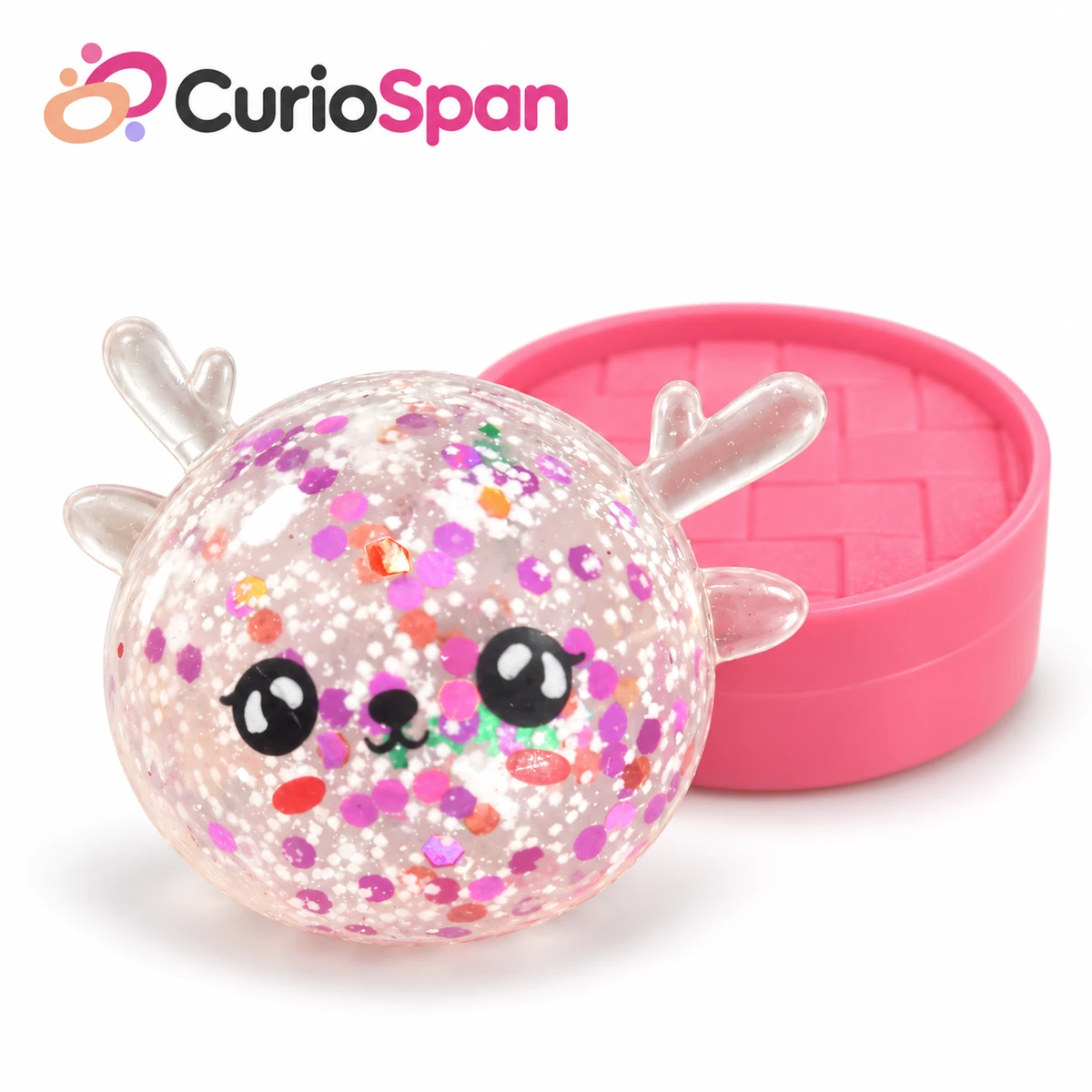
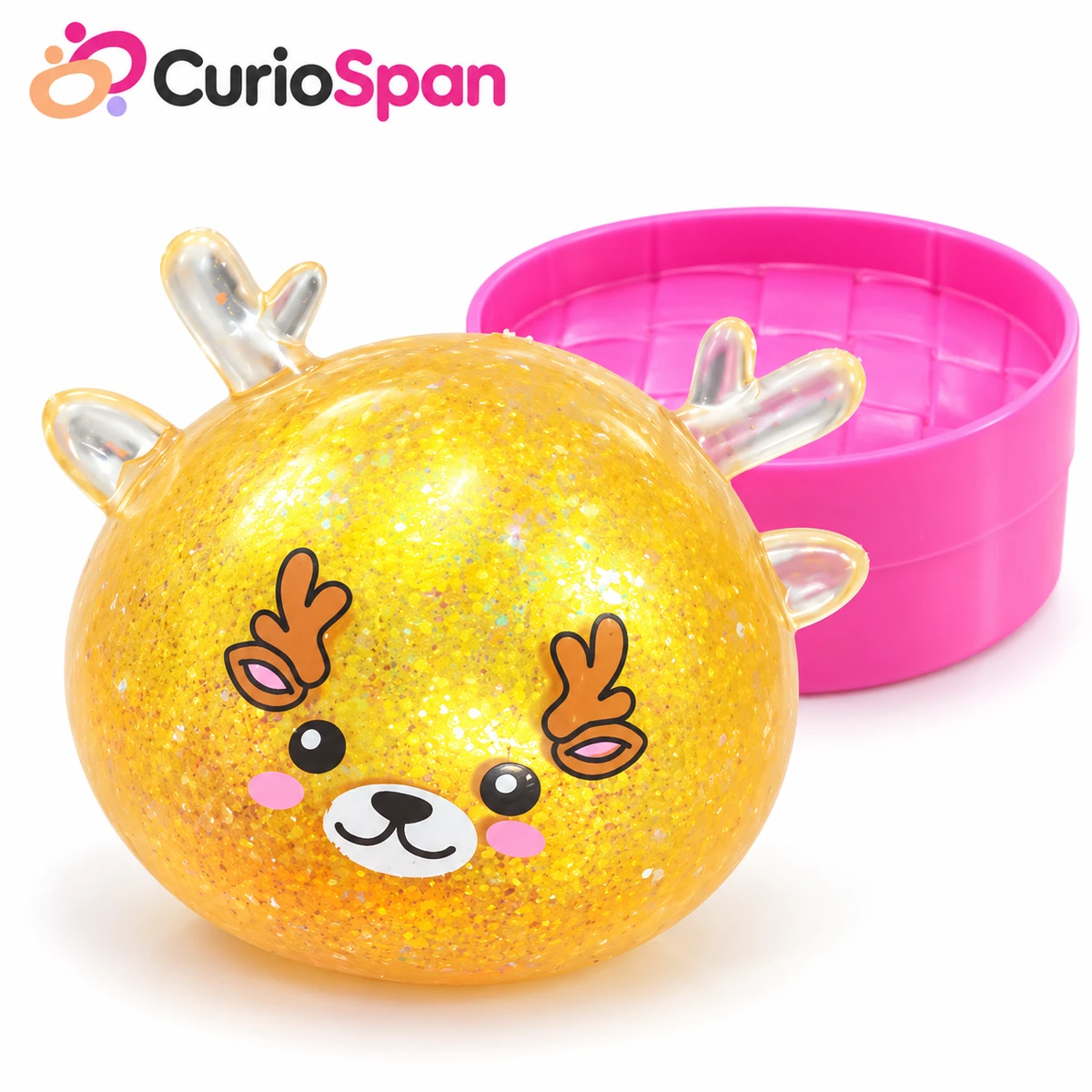
Product examples use CurioSpan catalog information available on October 8, 2026. Planning examples are illustrative; confirm the selected SKU and order terms before purchasing.