
Safety documents & market requirements · 8 min read
CPC for Wholesale Squishies: U.S. Importer Guide
A Children’s Product Certificate (CPC) is a compliance document for a children’s product, not a badge that covers every catalog shape. For a wholesale squishy order made outside the United States, the U.S. importer needs a clear record of who is responsible, which products are covered, what testing supports the certificate, and how the production lot is identified. This guide turns CPSC guidance into a practical buying checklist without treating a supplier report as the importer’s own certificate.
For an overseas-made children’s product entering the United States, the importer is responsible for issuing the CPC. The certificate should identify the exact product scope, applicable rules, responsible importer, record keeper, manufacture details, testing details and CPSC-accepted laboratory. CurioSpan currently has CPC-supporting reports available for eligible Crunchy / Brick Clay SKUs only; it does not issue a buyer’s CPC or promise coverage for other categories. Match the report, SKU, construction, packaging, production lot and destination before relying on any document.
What a CPC is—and what it is not
The U.S. Consumer Product Safety Commission describes a Children's Product Certificate as a written statement in which the manufacturer or importer certifies that a children's product complies with applicable children's product safety rules. The certificate is based on testing evidence when the applicable rule requires testing. It is not a CPSC registration that a supplier applies for, and it is not the same document as a laboratory test report.
The CPSC CPC FAQ also explains that a laboratory provides testing services and results; the responsible manufacturer or importer issues the certificate.
Identify the U.S. importer before you request a document
For products made overseas, the U.S. importer is the party that must issue the CPC. The supplier may provide test reports, product data, factory information, and other inputs, but those inputs do not silently transfer the importer's legal responsibility. If your company is the importer of record, ask who will maintain the supporting records and how the final CPC will identify your business.
A useful quote brief names the importer entity, U.S. mailing address, contact person, destination, exact SKU list, intended age positioning, and packaging version. If the buyer, seller, or importer changes, review the certificate fields again instead of forwarding an old file unchanged.
Match the CPC scope to the exact product
CPSC guidance says the product description must be detailed enough to match each product covered by the certificate and no others. Keep the SKU, image, variant, outer material, filling, dimensions, age positioning, packaging and destination together. A generic line such as “assorted squishy toys” leaves room for a different construction or package to be included by mistake.
CurioSpan’s current public scope is limited: CPC-supporting test reports are available for eligible Crunchy / Brick Clay styles. A report for a TPR outer with brick clay filling should not be presented as coverage for a Vaseline-filled, pectin, flour-filled or solid PU foam style. Start with the Crunchy / Brick Clay collection and confirm the final scope in the quote and document set.
Review the seven CPC information areas
The familiar seven CPC information areas remain a useful review framework. Also check the revised certificate requirements in force for the shipment, including identification of any testing exclusions relied upon, as explained in the current CPSC eFiling FAQ linked below. The CPC should identify the covered product, each applicable rule, responsible importer, record keeper, manufacture date and place, testing date and place, and the CPSC-accepted laboratory.
| Scope area | What to match | Buyer action |
|---|---|---|
| Product identity | SKU, name, image, variant, material, filling and package | Compare with sample and purchase order |
| Rule citations | Applicable CPSC rules for that product | Ask the importer or adviser to confirm |
| Responsible firm | U.S. importer name, address and telephone | Check the importing entity |
| Test record | Record keeper, test dates, places and lab | Keep report and contact trail |
| Manufacture and lot | Month/year, place and batch/lot link | Match actual shipment records |
Use the third-party report as supporting evidence
The CPSC third-party testing guidance explains that testing varies with product, intended age, use patterns and material composition. Review the laboratory identity, acceptance for the applicable work, report date, product description, sample information, rule references and results. For a document-by-document comparison, see the CPC vs test report guide.
Compare the report with the approved sample. A different SKU, colorway, filling, package or age positioning is a question to resolve, not automatic proof for your order. If a relevant feature changes, ask whether new testing or an updated certification is needed.
Connect tracking labels and production records
A CPC review is stronger when the buyer can connect the document to the units shipped. Keep the approved SKU and packaging artwork with the manufacturing month and year, factory location, batch or lot reference, and any tracking-label inputs requested for the destination. Do not invent a lot number before production or reuse a batch reference from a different style.
The CPSC FAQ notes that a certificate may cover more than one shipment when the covered date range or batch and lot information is identified and the responsible firm exercises appropriate due care. That does not expand a certificate to a new material or untested SKU.
Prepare the eFiling handoff before the shipment
Checked October 12, 2026: the general U.S. import implementation date has already passed. The CPSC certificate update sets July 8, 2026 for general imports subject to its certification requirements. The later January 8, 2027 date applies to products imported into a Foreign Trade Zone and subsequently entered for consumption or warehousing; it is not a general extension for other shipments. U.S.-made products have certificate-content updates, but are not subject to the import eFiling requirement.
A test report records testing evidence; the CPC is the responsible firm's certification; eFiling transmits the certificate data for the import entry. Sending a report PDF to the buyer does not complete that handoff. The CPSC implementation announcement of July 8, 2026 confirms that eFiling changes how import certificate information is transmitted; it does not replace the underlying compliance responsibilities.
Agree the filing route and responsible parties
The CPSC eFiling FAQ describes two routes: a Full PGA Message Set carries the required certificate data; a Reference PGA Message Set points to a certificate already in the CPSC Product Registry using its Certifier ID, Product ID and Version ID. A registry record alone does not file the entry. Give the broker the correct identifiers when using the reference route.
Name the certifying firm and filing contact before requesting factory inputs. The CPSC importer resources explain the importer-of-record role and circumstances in which an authorized broker identifies the owner, purchaser or consignee responsible for certificate compliance. Agree those roles for the actual entry; do not assume that the seller, freight forwarder or broker has accepted them.
| Record to prepare | Supplier input to request | Importer / filing review |
|---|---|---|
| Product identity | Exact SKU, variant, construction, package and invoice/packing-list reference | Map the shipped item to the chosen Product ID and certificate scope |
| Manufacture and production | Actual manufacture date and place, plus the shipment's batch or lot reference | Resolve missing or conflicting records before handing over final data |
| Testing evidence | Available report references, tested product details, laboratory and test dates | Confirm applicable citations, relied-upon tests and any testing exclusions |
| Responsible contacts | Supplier contact for product and production questions | Identify the certifying firm, records contact and authorized filing contact |
| Entry handoff | Final SKU list and any approved changes since the sample | Use the agreed Full or Reference route and check the final entry data with the broker |
This is a purchasing checklist, not an official filing form. CurioSpan can provide available product and supporting-report inputs for eligible Crunchy / Brick Clay SKUs. Providing those inputs does not mean CurioSpan issues the buyer's CPC, files on the importer's behalf, or guarantees customs release. Ask the responsible importer and filing contact to confirm the applicable requirements for the actual shipment.
Send a buyer-ready CPC request
Put the request in one SKU-level packet
Send exact SKUs and quantities, approved images, outer material and filling, dimensions, age positioning, destination, package, label fields and desired documents. Ask which eligible Crunchy / Brick Clay SKUs have supporting test reports and which details still require confirmation. Do not infer coverage for other constructions.
Before production, compare the final quote, sample, report references, importer information, manufacture details and package. The safety documents and market guide helps separate product facts from destination questions, while the document comparison guide keeps reports, specifications and certificates distinct. For legal or customs decisions, the importer should confirm current requirements with CPSC, CBP or qualified counsel.
Buyer questions
Does emailing a CPC or test report complete eFiling?
No. The test report supports the CPC; eFiling is the separate transmission of certificate data for the import entry. The responsible importer and filing contact must arrange the applicable Full or Reference PGA Message Set. CurioSpan's supply of supporting information does not file it for the buyer.
Is January 8, 2027 the deadline for all U.S. squishy imports?
No. The general implementation date was July 8, 2026 for imports subject to CPSC certification requirements. January 8, 2027 applies to products imported into a Foreign Trade Zone and subsequently entered for consumption or warehousing. Confirm the actual entry scenario with the responsible filing contact.
Can CurioSpan issue my U.S. CPC for me?
CurioSpan can provide product information and available CPC-supporting test reports for eligible Crunchy / Brick Clay SKUs, but the importer responsible for an overseas-made children’s product issues its own CPC. Confirm scope and records for your shipment.
Does a Crunchy / Brick Clay report cover Vaseline or PU squishies too?
No automatic extension should be assumed. The public scope is eligible Crunchy / Brick Clay SKUs only. Other constructions need their own document and market review if applicable.
Is a CPC the same as an EN 71 report?
No. A CPC is a U.S. importer or manufacturer certification based on applicable CPSC requirements and supporting evidence. EN 71 is a separate market-specific framework; confirm the current EU documentation needed for your destination. CurioSpan does not currently provide EU reports.
Explore the catalog examples
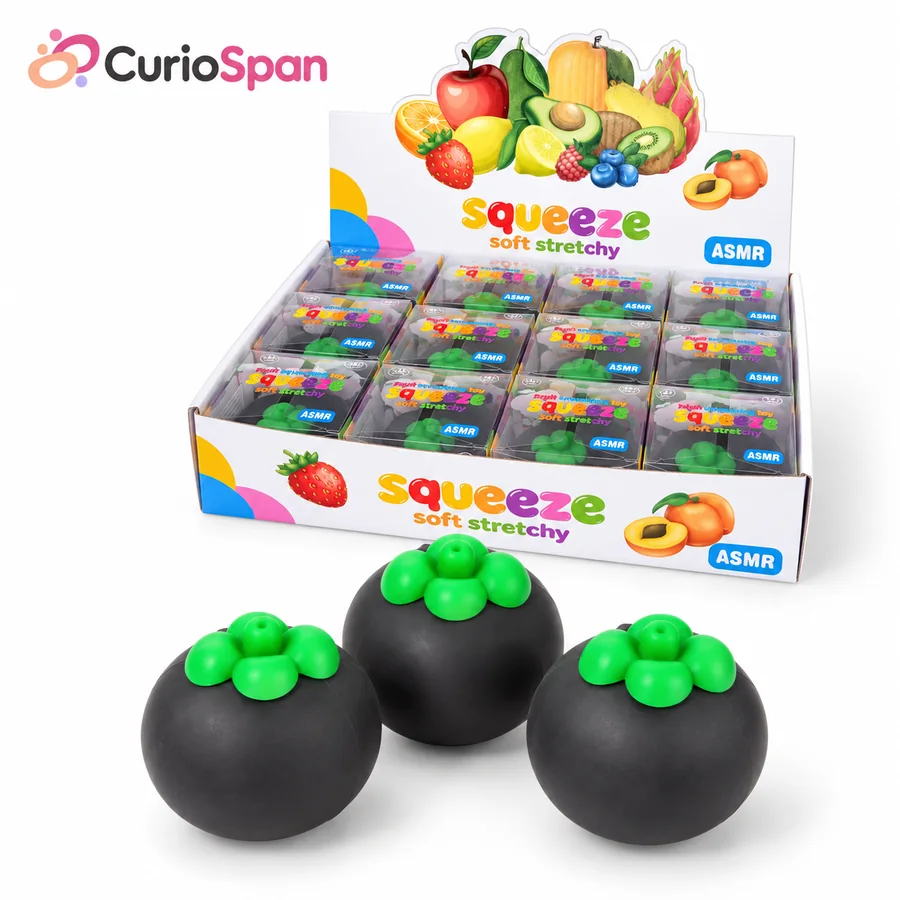
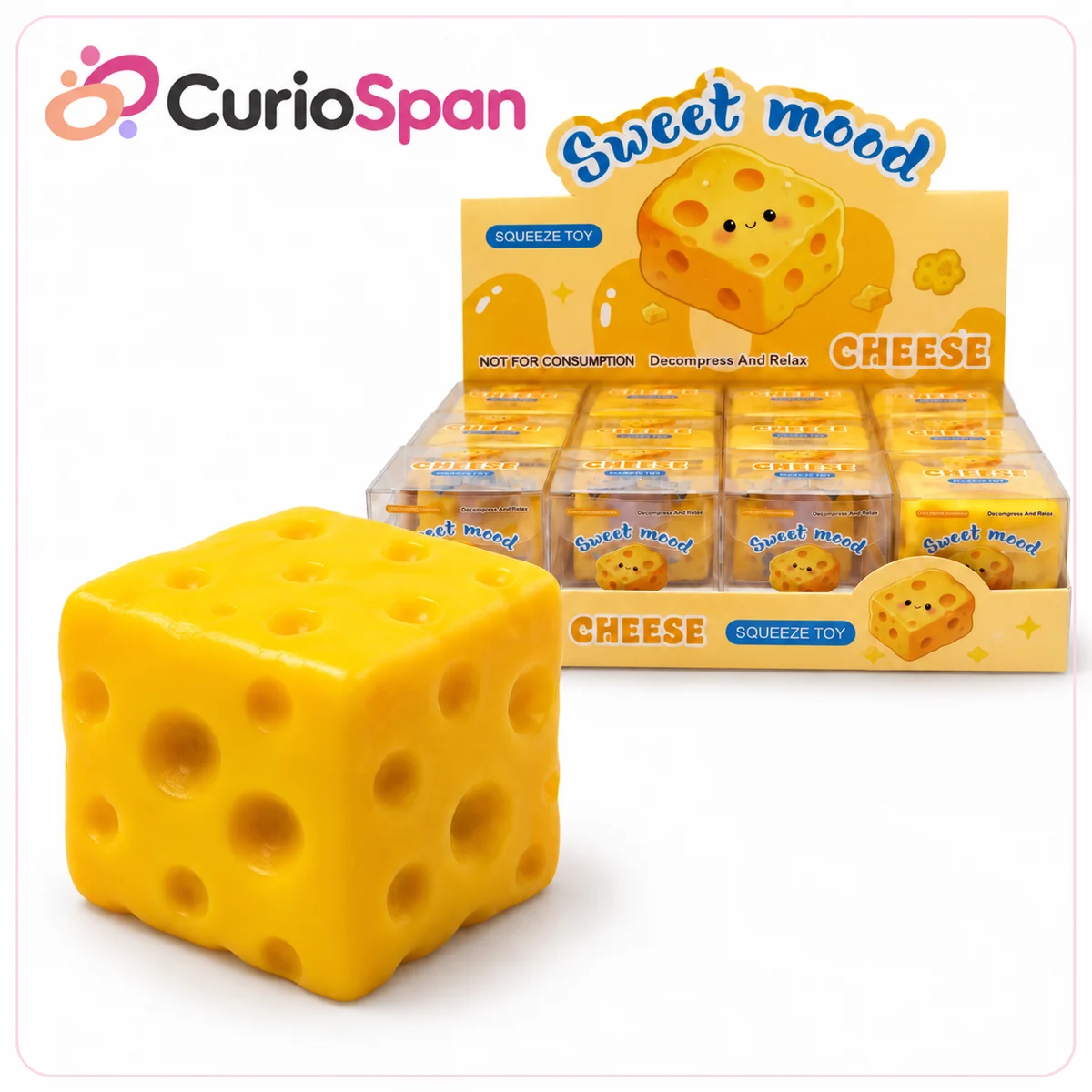

Product examples use CurioSpan catalog information available on October 10, 2026. Planning examples are illustrative; confirm the selected SKU and order terms before purchasing.