
Safety documents & market requirements · 6 min read
CPC vs Test Report for Wholesale Toys
Wholesale buyers may receive a laboratory report, supplier specification, proposed label and CPC in the email. These files answer different questions. A test report records laboratory work. A Children’s Product Certificate is issued by the responsible manufacturer or importer. A supplier specification describes the commercial product. A tracking label connects the finished unit to identifying production information. Compare all four at SKU level so a report for one construction, age positioning or market is not used for another.
Start with the exact SKU, outer material, filling, intended age positioning, destination and packaging version. Use the third-party report as evidence to review, the CPC as the responsible U.S. importer or manufacturer’s certification, the supplier specification as a product and pack-out reference, and the tracking label as an identification link. CurioSpan currently has CPC-supporting reports available for eligible Crunchy / Brick Clay SKUs only; See the Compliance Guide for destination-specific documentation.S. CPC or report as EN 71 documentation.
Start by naming the four documents
A third-party test report records tests performed by a laboratory and the results for the samples described in that report. A CPC is a written certification from the responsible manufacturer or importer that the children's product complies with the applicable rules; when testing is required, the certification is based on passing results. A supplier specification is a commercial reference for construction, dimensions, filling and pack-out. A tracking label connects units to production records.
The CPSC CPC FAQ makes the division clear: the laboratory provides testing services and results, while the manufacturer or importer issues the CPC. Keep the documents together, but do not treat them as interchangeable.
What to check in a third-party test report
The CPSC third-party testing guidance says testing needs vary with the product, intended age audience, use patterns and material composition. Review the laboratory identity and whether it is accepted for the applicable work, the report date and location, the product description, sample information, test methods or rule references, and the result for each relevant requirement.
Then compare the report with the sample you approved. A report that names a different SKU, colorway, filling, package or age positioning is a question to resolve, not automatic proof for your order. If the finished product changes materially, ask whether new testing or an updated certification is needed.
What the CPC adds to the evidence
The CPC adds the responsible certification and the seven information areas listed in the CPSC CPC guidance. For the full importer-responsibility and field-by-field review, see the CPC importer guide.
For overseas-made goods, the U.S. importer issues the CPC. A supplier can send a report or help assemble information, but the buyer should still confirm the importer name, address, destination and product scope. A CPC is not a lab certificate or a general approval for every product in a supplier catalog.
Use the supplier specification and tracking label as control points
The supplier specification is where you check the commercial identity of the item: exact SKU, product name, outer material, filling, dimensions, unit weight, display-box quantity, carton quantity, carton dimensions, gross weight and packaging version. It helps you find a mismatch before the order, but it is not a substitute for the applicable safety evidence or CPC.
The tracking label performs a different job. It should make the finished product and its production information identifiable, using the fields required for the destination and the approved order record. Connect the label artwork to the SKU, manufacture month and year, factory location, batch or lot reference, and packaging that actually ships. Do not prefill an unconfirmed batch number.
Compare every document against the same scope
Use one row per SKU and require every document to point to the same product boundary. This catches the most common shortcut: using a report or label that looks official but describes a different construction or market.
| Document | Scope to match | What it can answer | What it cannot replace |
|---|---|---|---|
| Third-party test report | SKU, sample, material, filling, age positioning, rule and lab | What was tested and the recorded result | The importer’s CPC or a commercial quote |
| CPC | Product, rules, importer, manufacture, testing and lab details | Who certifies compliance and for which product scope | The underlying report or a new test after an unreviewed change |
| Supplier specification | SKU, dimensions, filling, packaging, pack-out and quote fields | What the supplier says will be supplied | Independent safety evidence or importer responsibility |
| Tracking label | Unit, package, factory and batch/lot identification | How the shipped product links to records | A safety test or certificate by itself |
Keep material, filling and destination separate
“Squishy” is a product category, not a compliance scope. Current CurioSpan records distinguish Crunchy / Brick Clay products with a TPR outer and brick clay filling from Vaseline-filled TPR styles, pectin or flour-filled products, and solid PU foam products. A document for one construction must not be extended to another without a new review.
The same caution applies to markets. A U.S. CPC and its supporting CPSC evidence do not automatically become EN 71 documentation for the European Union. CurioSpan's public site currently states that See the Compliance Guide for destination-specific documentation. Tell the supplier the intended destination before ordering and ask for market-specific requirements; the importer remains responsible for confirming what applies.
Use a four-step document workflow
Request, match, approve, archive
Request: Send the exact SKU list, quantities, images, material and filling, age positioning, destination, packaging and desired documents. Match: Compare each report, CPC draft, specification and label to the same row. Approve: Resolve differences before payment or production, and record the final sample and packaging version. Archive: Keep the quote, report, CPC, label artwork, manufacture details and batch or lot record together for reorders.
CurioSpan has CPC-supporting reports available for eligible Crunchy / Brick Clay lines; request the exact report scope first. Start with the collection and product catalog, then request the exact report scope. The spec-sheet guide helps organize commercial fields; it does not replace destination-specific compliance advice.
Buyer questions
Does passing a lab test automatically create a CPC?
No. The laboratory provides test results. The responsible manufacturer or importer creates and issues the CPC using the applicable rules and the supporting evidence. For overseas-made children's products, the U.S. importer is responsible for the CPC.
Can I use a supplier specification as proof of compliance?
No. A specification helps you identify the product and commercial pack-out. Compare it with the applicable third-party report and CPC scope, and have the responsible importer confirm current requirements.
Is a CPC or CPSC report enough for EN 71?
No automatic equivalence should be assumed. U.S. CPSC documentation and EU EN 71 documentation serve different market requirements. Confirm the destination rules and request the appropriate evidence; CurioSpan does not currently provide EU reports.
Explore the catalog examples
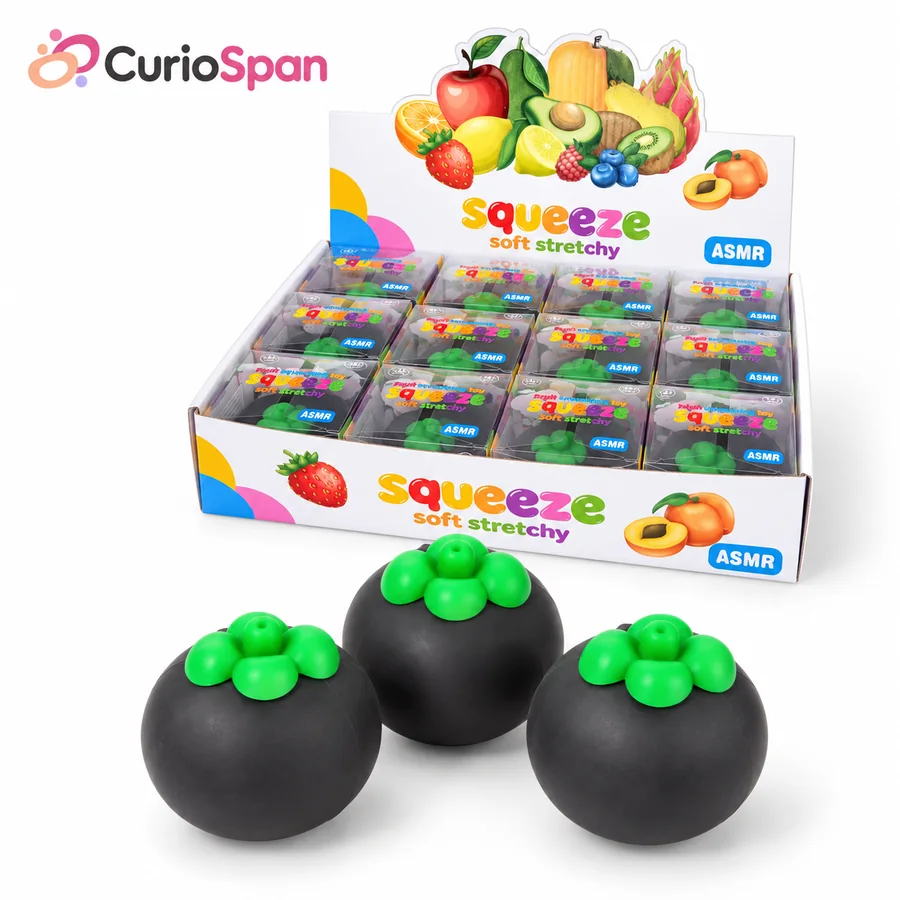
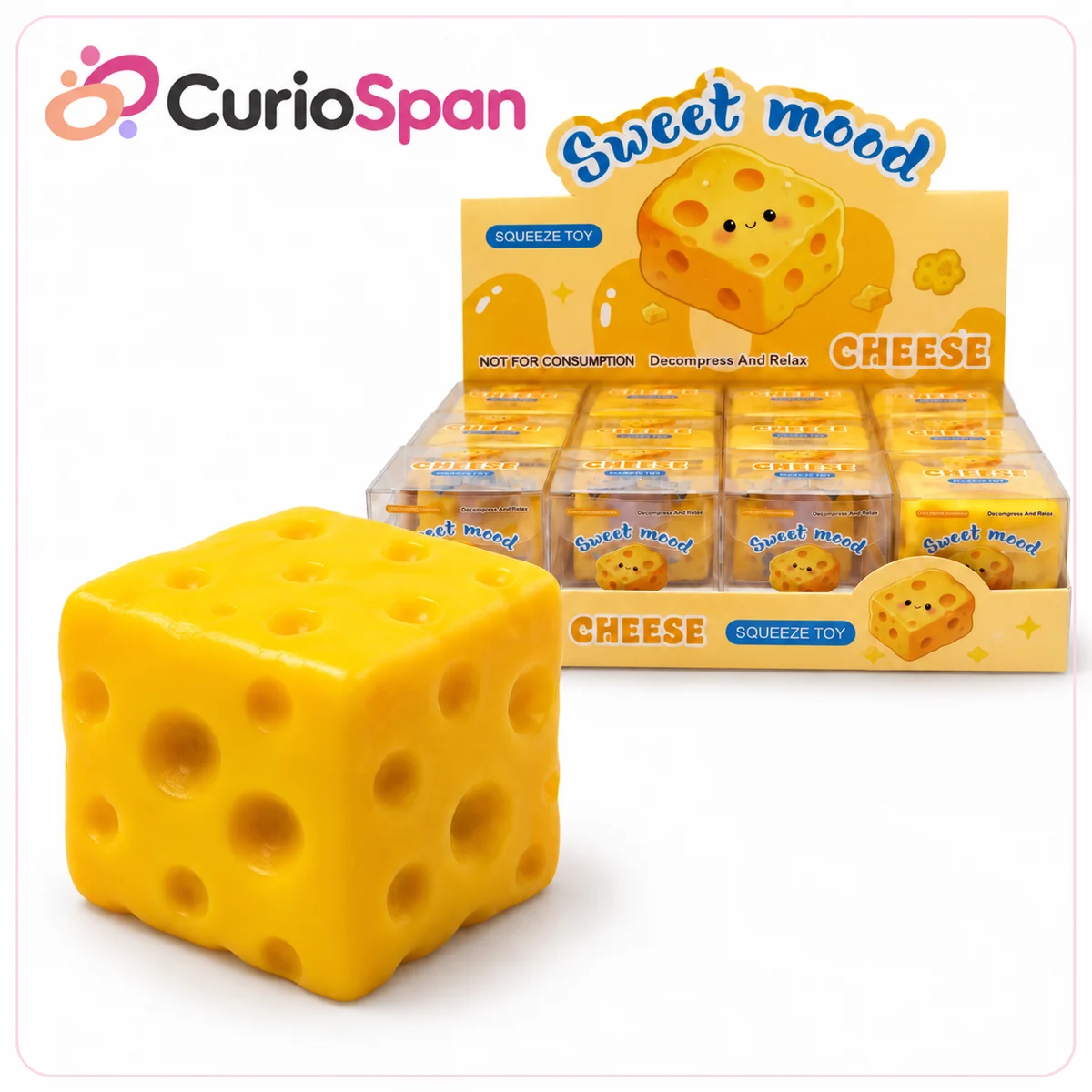

Product examples use CurioSpan catalog information available on October 10, 2026. Planning examples are illustrative; confirm the selected SKU and order terms before purchasing.