
Sourcing & procurement · 5 min read
How to Build a Wholesale Squishy Assortment by Retail Channel
A useful wholesale squishy assortment starts with the retail channel, not with a long product list. A gift shop may need compact, easy-to-label pieces; a toy store may want a broader mix of shapes and materials; an online or livestream seller may need clear demonstrations; a sensory or novelty retailer may need a more focused story. This guide helps buyers turn each channel’s role, space and ordering rules into a practical procurement brief.
Define what the channel must do, choose a small set of distinct SKU roles, then map each role to size, material, display, pack-out and quantity. Keep the assortment easy to count and explain, and leave room to review actual item-level movement before adding more designs.
Define the job of each retail channel
Write one sentence for the channel before you select products. A gift shop may need a compact giftable display; a toy store may need a family-friendly mix with clear labels; an online or livestream seller may need products that are easy to demonstrate on camera; a sensory or novelty retailer may want a focused explanation of feel and handling. These are planning roles, not guarantees about customer demand.
Measure the selling environment
Record the fixture width, shelf depth, counter height, available display boxes, online image requirements and the staff time available for counting. A short channel brief makes later SKU choices easier to explain to a supplier.
Use a channel matrix before choosing SKUs
Map the channel to the product job, information needed and pack-out question. The matrix can stay short; its purpose is to prevent one assortment from being copied into every sales format.
| Channel | Primary job | Review before ordering |
|---|---|---|
| Gift shop | Small, giftable discovery set | Compact size, labels, display footprint and package |
| Toy store | Broader shape and material comparison | SKU variety, age positioning and shelf grouping |
| Online or livestream | Clear demonstration and simple selection | Visual variants, talking points, sample handling and replenishment record |
| Sensory or novelty retailer | Focused feel or theme story | Construction description, tester policy and care instructions |
Match size, material and story to the channel
Choose an assortment that can be described accurately in one line per SKU. Crunchy / Brick Clay products use a TPR outer with brick clay filling. Vaseline products use Vaseline filling. Pectin and flour are separate filling groups. PU slow-rising products are solid PU foam with no separate filling. Present these as different construction stories rather than interchangeable versions.
Use the catalog to compare verified fields. For example, CS-CR-01 is a 5 cm Crunchy cheese design, CS-VAS-01 is a 5 × 5 cm Vaseline cheese cube, and CS-PU-01 is a 23 × 4.5 × 4.5 cm solid PU butter bar. Their themes overlap, but their size, feel and handling story are different. Confirm any missing field before finalizing the channel brief.
Set SKU diversity without making the display hard to count
Give each selected SKU a job: hero shape, compact add-on, material comparison, color or expression variant, or seasonal option. Avoid adding several items that perform the same job unless the channel can display and count them clearly. A small set with distinct roles is easier to label, photograph, quote and reorder than an unstructured list.
Keep variants explicit
Write whether the order is a fixed assortment, a buyer-selected mix or a supplier-confirmed random mix. Do not assume that every color or expression can be selected independently. List the permitted variant and quantity next to the SKU so the quote can be checked line by line.
Plan display and pack-out together
The retail display and shipping pack-out should be reviewed as one procurement decision. Note whether units arrive individually packed, in a color box, with a display box or in an inner carton. Record how many saleable units the fixture can hold and where tester units will sit. Keep the display quantity separate from the reserve stock quantity.
Ask for carton dimensions, unit count and gross weight when they are needed for freight planning. A product’s listed size does not by itself establish the finished carton’s dimensions. If a display box or label is added later, update the pack-out brief instead of treating it as a minor detail.
Turn the channel plan into quantity and MOQ math
Write the quantity in pieces per SKU first. Then compare each line with the supplier’s stated MOQ, carton quantity and any fixed assortment rule. If the channel needs 24 pieces of one design and the MOQ is 12 per style, record two MOQ units. If the requested number does not fit the carton or display plan, show the remainder instead of silently rounding it.
Keep product quantity, tester quantity and reserve quantity in separate columns. A buyer can then decide whether a tester is opened from stock or ordered as an extra piece. Request a quote using the actual SKU list, not only a total number of pieces.
Review the assortment at SKU level
After the first selling period, record what was shipped to the channel, what remains saleable, which units became testers or samples, and the feedback attached to each SKU. Use those observations to decide whether to reorder, replace, reduce or expand a role. Do not infer a market-wide trend from one store or one campaign.
Prepare a clear reorder note
Include the approved SKU, material and filling, variant, quantity, packaging, destination and any changed document request. A channel-specific reorder note lets the supplier quote the next order without guessing which part of the assortment changed.
Buyer questions
Should one wholesale assortment work for every retail channel?
Usually it is clearer to create a channel-specific starting set. The same SKU can appear in more than one channel, but its quantity, display role, explanation and pack-out may differ.
How many SKUs should I include in the first channel brief?
Choose enough distinct roles to make the display or selling format coherent, then check the fixture, staff counting process, MOQ and budget. A short, traceable list is easier to review than a large unstructured catalog export.
Can I mix Crunchy, Vaseline, flour and PU products?
You can plan a mixed assortment when each construction is labeled and approved separately. Keep Crunchy / Brick Clay, Vaseline, pectin, flour and solid PU as distinct material stories, and confirm the exact SKU and packaging before ordering.
Explore the catalog examples
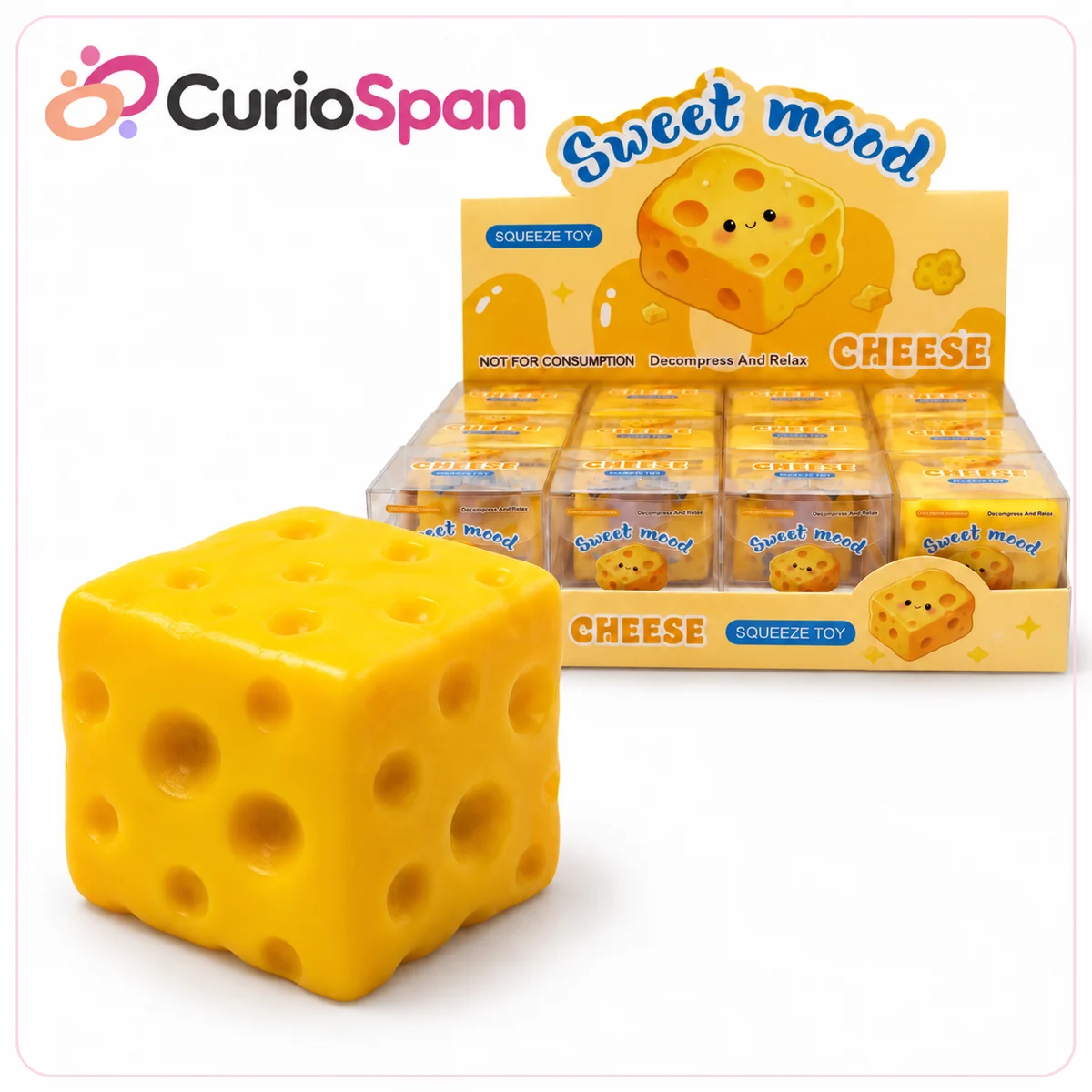
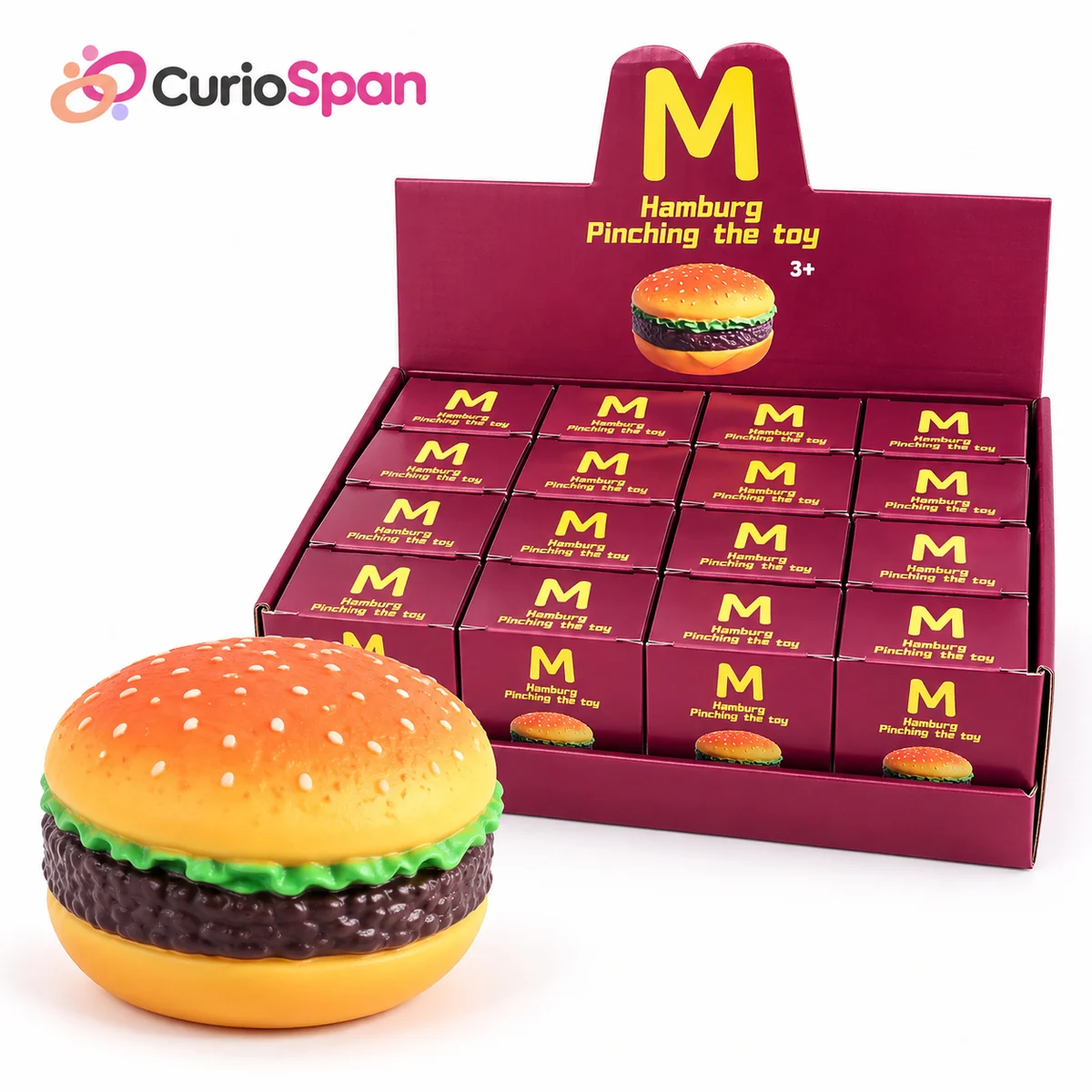
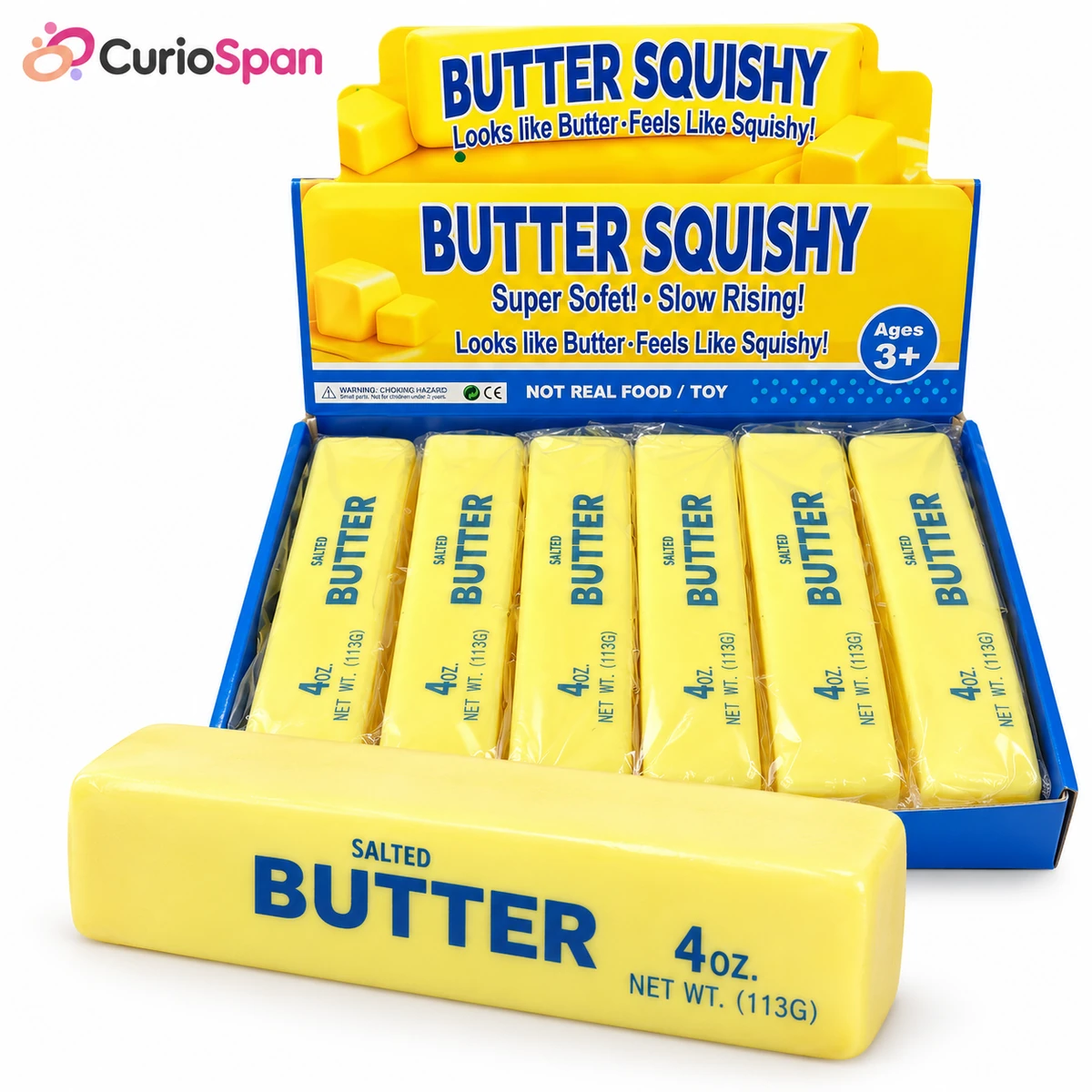
Product examples use CurioSpan catalog information available on October 9, 2026. Planning examples are illustrative; confirm the selected SKU and order terms before purchasing.