
Material and product selection · 5 min read
Wholesale Pectin Squishies: How to Evaluate Color-Changing Styles
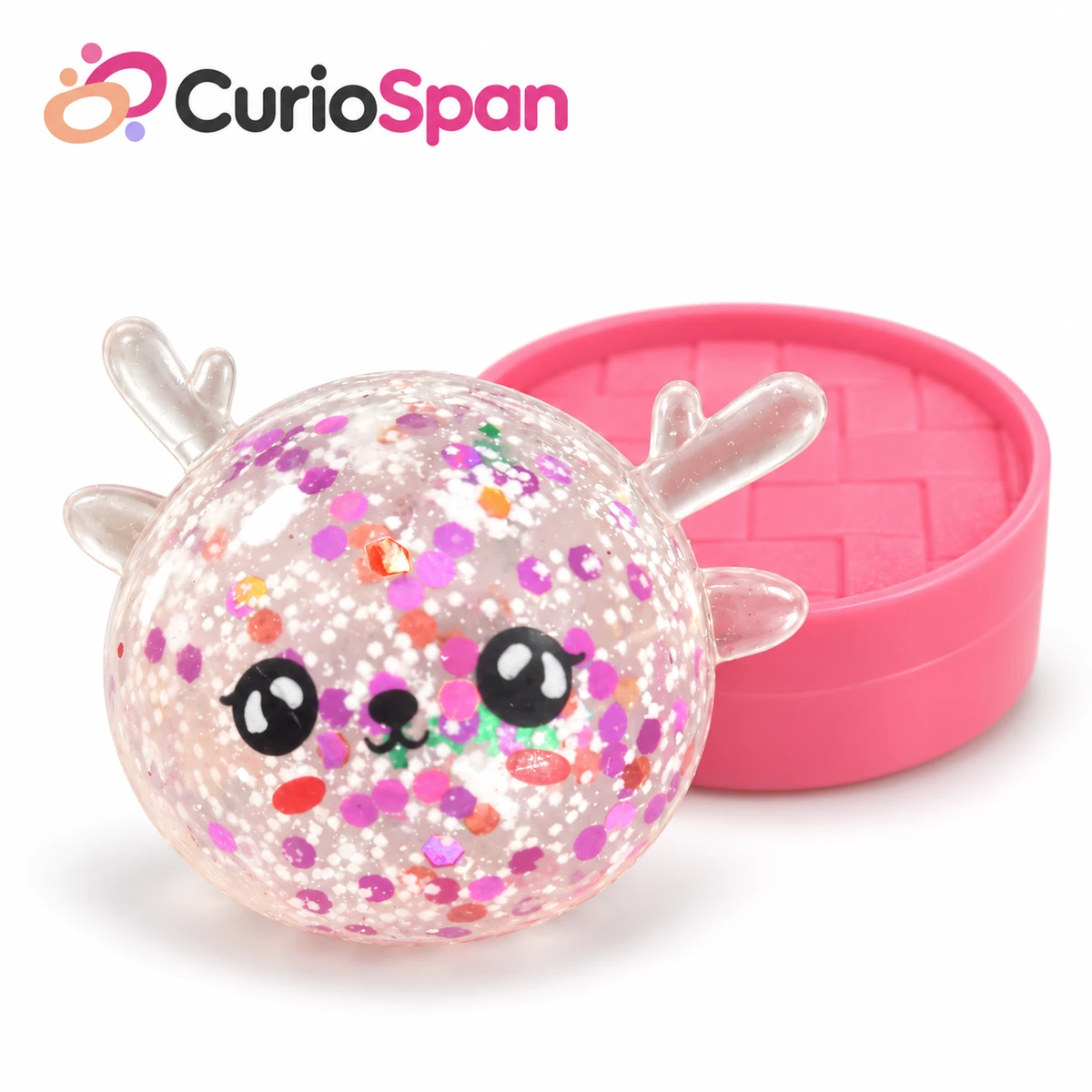
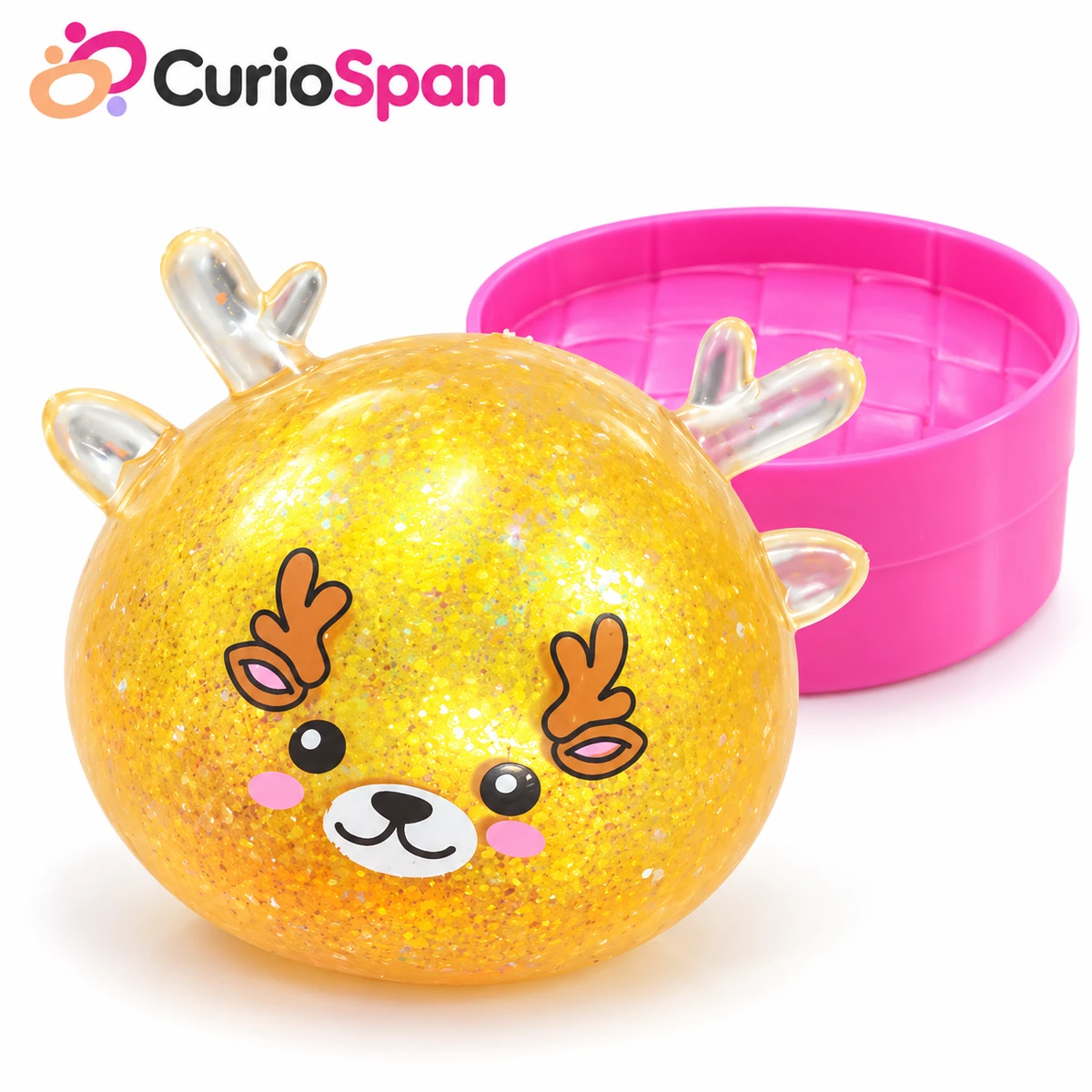
Color-changing squishies can add an easy demonstration moment to a counter, gift assortment or seasonal display. The phrase still does not answer the questions a buyer has to approve: what is the outer material, what is inside, how should the visual effect be tested, and how will each size be packed? This guide uses CurioSpan pectin reindeer records to turn that idea into a checkable wholesale brief.
Treat “color-changing” as a product behavior to observe and document, not as a promise about a fixed temperature, speed or duration. The current pectin examples list a TPR outer and pectin filling. Request samples, record the conditions under which you observe a change, compare the two sizes separately, and confirm display-box and carton quantities by SKU before publishing claims or placing a mixed order.
Define the effect before you write the listing
“Color-changing” is useful merchandising language, but it is not a complete test specification. A buyer should record which area changes, what the starting and observed colors are, how the change was triggered, and whether the result was repeatable. Do not add a temperature threshold, timing promise or permanence claim unless the supplier has provided and you have approved evidence for that exact SKU.
Use a short internal definition such as “visual change observed during the approved sample check.” Keep marketing copy separate from the test notes. This prevents a photograph or a short demonstration from being treated as a universal performance guarantee in every store, warehouse or delivery route.
Verify the TPR and pectin construction
The current pectin collection records identify a TPR outer material and pectin filling. That distinction matters when you brief a buyer: it is different from a solid PU slow-rising squishy and different from a TPR product filled with flour, Vaseline or brick clay. Link the exact SKU to the material statement so that a mixed assortment does not inherit the wrong description.
Ask for the final product specification and packaging reference for the order. A collection label is a starting point; the SKU record controls the dimension, display-box quantity and carton quantity you quote. The material comparison guide can help your team keep filling categories separate.
Compare the two current reindeer records
These are two existing SKUs, not two guaranteed versions of one mold. The size and pack-out differences affect shelf presentation, sample handling and carton planning. The table uses listed catalog data; packaging or quantity changes still need confirmation in the returned quote.
| SKU | Listed size and weight | Listed display pack | Listed carton | Buyer check |
|---|---|---|---|---|
| CS-YD-NEW-04 | 5.5 cm · 60 g | 24 pcs/display box | 288 pcs/carton | Does the compact sample read clearly in your display? |
| CS-YD-NEW-05 | 8.5 cm · 160 g | 12 pcs/display box | 144 pcs/carton | Does the larger silhouette fit the shelf and gift packaging? |
Use the listed numbers for planning only. Confirm the final retail package, inner arrangement, carton dimensions and gross weight for the order you approve.
Run a repeatable sample test
Use the same observation sheet for every SKU
Photograph the sample before the demonstration, then note the room or test setting, light source, handling method and the visible color before and after. Use the same camera distance and background for both reindeer sizes. If the change is subtle, record that honestly rather than selecting a stronger-looking image.
Repeat the observation after the sample returns to its starting appearance, if that is what you see. This is a buyer-side comparison method, not a laboratory claim. If the result varies, ask the supplier which production conditions or batch details should be checked before you approve customer-facing language.
Plan the display without overclaiming
A color-changing item needs a simple demonstration cue: a before-and-after card, an approved short video or a staff instruction that matches the tested sample. Keep the cue tied to the chosen SKU. Do not imply that every unit changes at the same speed or under the same conditions when that has not been documented.
For the smaller 5.5 cm record, check whether the change remains visible when units are close together in a display box. For the 8.5 cm record, check shelf depth, packaging clearance and whether one sample can be handled without damaging neighboring stock. Approve the copy and the image together so the retail team presents the same expectation.
Plan cartons before mixing the sizes
The two records have different carton profiles: 288 pieces for the 5.5 cm style and 144 pieces for the 8.5 cm style. A hypothetical request for 48 small and 24 large units would be a unit planning exercise, not a claim that partial cartons or a particular MOQ will be accepted. Ask the quote to confirm whether the requested quantities can be packed as requested and how display boxes will be supplied.
Separate three numbers in your worksheet: pieces per SKU, pieces per display box and pieces per master carton. Do not multiply the product weight by the order quantity and call that shipping weight; final packaging and freight details must be quoted. The pack-out guide explains the fields to keep separate.
Send a pectin sample and quote brief
Start with the pectin collection and name the exact SKU lines you want reviewed. Include your target pieces per SKU, destination, preferred retail package, display use, color-changing observation you need to test and any copy approval deadline. Ask the supplier to confirm the TPR outer, pectin filling, final dimensions, pack-out and current quote for each line.
When the samples arrive, keep the approved photo, test notes and packaging reference with the SKU. That record makes the next reorder easier to check and keeps a different colorway or size from silently inheriting the wrong claim.
Buyer questions
Does pectin automatically mean a specific color-changing temperature?
No. The catalog identifies pectin filling and color-changing product names, but it does not establish a universal activation temperature or timing promise. Test the approved sample and ask the supplier for any documented conditions before writing that claim.
Are the 5.5 cm and 8.5 cm reindeer a prepacked set?
No. They are separate SKUs. You can request both in one quote, but quantities, display boxes, carton handling and any mixed-order arrangement should be confirmed by SKU.
How should I show the color change online?
Use an approved before-and-after image or short demonstration that matches the tested SKU and conditions. Describe what was observed, and avoid implying that every environment will produce the same timing or result unless it has been documented.
Explore the catalog examples
Product examples use CurioSpan catalog information available on October 9, 2026. Planning examples are illustrative; confirm the selected SKU and order terms before purchasing.